
Leading Products For Restoring and Repairing Stone Retaining Walls
Identify high-quality products designed to address common issues and extend the lifespan of your stone retaining walls.
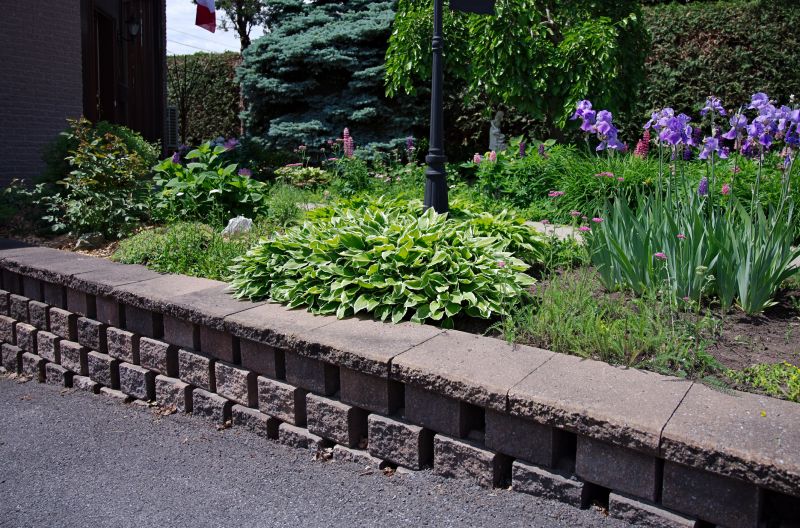 Stone retaining walls are a durable and visually appealing feature in many landscapes, but over time, they can develop issues such as shifting stones, erosion, or mortar deterioration. Repairing these structures requires selecting the right products to ensure stability and longevity. A variety of repair solutions are available, ranging from mortar mixes to specialized adhesives and reinforcement materials. Properly addressing issues early can help maintain the structural integrity and aesthetic appeal of the wall.
Top Overall Option
Flexible Masonry Repair Mortar
Flexible masonry repair mortar offers a versatile solution for repairing cracks, filling gaps, and bonding loose stones in retaining walls. Its adaptable consistency allows it to accommodate slight movements within the wall, reducing the risk of future cracking. This type of mortar is suitable for various stone types and can be applied in different weather conditions, making it a reliable choice for many repair scenarios.
Types of Products For Stone Retaining Wall Repairs
Repair Mortar Mixes
Specialized mortar mixes designed for stone repairs provide strong adhesion and flexibility, suitable for filling cracks and bonding stones.
Hydraulic Cement
Hydraulic cement is used for sealing leaks and stabilizing foundations, especially in damp or water-exposed areas.
Polyurethane Adhesives
High-strength adhesives ideal for bonding loose stones or repairing small gaps with quick-setting properties.
Epoxy Resin Systems
Epoxy systems provide durable, high-strength bonds for structural repairs and reinforcement of stone walls.
Reinforcement Mesh and Ties
Mesh and ties reinforce the structure, preventing further shifting and adding stability to the wall.
Drainage Pipes and Gravel
Proper drainage products help reduce water pressure behind the wall, minimizing erosion and damage.
Erosion Control Fabrics
Erosion control fabrics stabilize soil and prevent washouts around the retaining wall.
Stone Sealants
Sealants protect stones from water infiltration and weathering, extending the life of the wall.
Grout and Bedding Materials
Specialized grouts fill gaps and provide a stable bedding for stones during repairs.
Concrete Patches
Concrete patches are used for filling larger voids or damaged sections of the wall.
Waterproofing Membranes
Waterproof membranes prevent moisture infiltration, protecting the wall’s foundation.
Anchor Bolts and Wall Anchors
Anchors secure loose stones and reinforce the overall structure of the wall.
Popular Choices
A versatile product for filling cracks and bonding stones, suitable for various repair needs.
Effective for sealing leaks and stabilizing foundation sections of retaining walls.
Quick-setting adhesives ideal for bonding loose stones and small repairs.
High-strength bonding solutions for structural reinforcement and repairs.
Used to improve water flow and reduce pressure behind the wall, aiding in erosion prevention.
Stabilizes soil and prevents washouts around the retaining structure.
Protects stones from weathering and water damage, prolonging the wall’s lifespan.
Provides additional stability by reinforcing the structure against shifting.
Fills gaps and supports the bedding of stones during restoration.
Prevents water infiltration, protecting the foundation of the wall.
Secure loose stones and enhance the overall stability of the wall.
Used for larger repairs and filling voids in damaged sections.
When undertaking repairs, it is important to assess the extent of damage and choose products that are compatible with existing materials. For minor cracks or loose stones, flexible repair mortars and bonding agents can provide secure adhesion. For more significant structural concerns, reinforcement options such as geogrids or wall ties may be necessary. Additionally, drainage solutions and erosion control products can prevent future issues by managing water flow and soil stability around the wall.
Selecting the appropriate products involves understanding the specific needs of your stone wall, including the type of stone, the severity of damage, and environmental conditions. Proper application techniques and quality materials are essential for effective repairs. Consulting with professionals or researching product specifications can help ensure that the repair process restores the wall’s stability while preserving its appearance. Regular maintenance and timely repairs can extend the lifespan of your stone retaining wall, making it a lasting feature of your landscape.
Key Buying Considerations
- Identify the extent of damage and choose products accordingly.
- Ensure compatibility of repair materials with existing stone and mortar.
- Consider environmental conditions such as moisture, temperature, and exposure to elements.
- Select flexible repair options for minor shifts or cracks to accommodate movement.
- Use reinforcement products like mesh or ties for structural stability in severe cases.
- Prioritize water management solutions to prevent future damage from erosion or water pressure.
- Check product curing times and ease of application to fit your repair schedule.
- Opt for products with proven adhesion and durability for long-lasting repairs.
- Review manufacturer instructions for proper surface preparation and application techniques.
- Assess the need for professional assistance if structural issues are significant.
- Consider future maintenance needs and select products that facilitate easy upkeep.
- Evaluate the environmental impact, if relevant, and choose appropriate materials.
- Determine if additional tools or accessories are needed for application.
- Read customer reviews and product specifications to gauge effectiveness.
- Plan for safety measures during repair work, especially when handling heavy or chemical products.